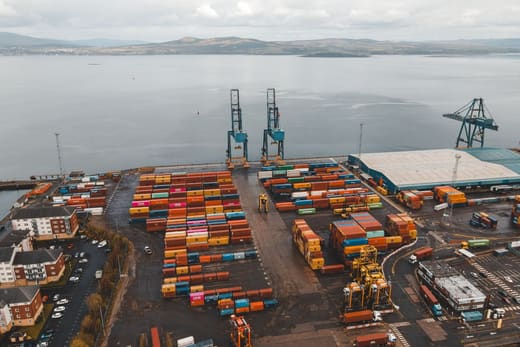
What Is Supply Chain Management?
The field in plain terms: what the federal definition covers, who does the work, and what you study to get into it.
Guides to the questions that come before choosing a program: what the field covers, how it differs from logistics, which accreditation matters, which certifications are worth it and whether it’s a good career. There are eight articles, grouped by where you are in the decision. Each one draws its figures from the same program records and federal data as the rankings, with its sources listed at the end. Each links on to the rankings, careers and salary pages it touches, so a question leads to a program.
The field in plain terms: what the federal definition covers, who does the work, and what you study to get into it.
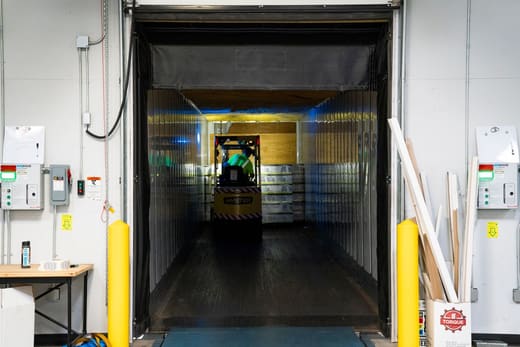
Where logistics ends and supply chain management begins, in the jobs, the pay and the degrees.

The two accreditors behind every program this site lists: what each one reviews, and what it tells you about a degree.

ASCM’s planning and inventory credential: the nine modules, the one exam, what it costs and which jobs cite it.

ASCM’s end-to-end supply chain credential: the eight modules, the exam, the cost, and how it differs from CPIM.

ISM’s procurement credential: the three exams, the experience it requires, how it is scored and what it costs.

The four main supply chain credentials: what each covers, who can sit it, what it costs and how you keep it.

What the federal numbers say about pay, growth and openings across supply chain jobs, and what it takes to get in.
For programs, see the supply chain degree rankings. For what the jobs involve and pay, see supply chain careers and supply chain salaries.